
When water stops flowing smoothly in your sinks, showers, or toilets, it’s natural to assume you just need “drain cleaning.” But in plumbing, there’s a big difference between drain cleaning and sewer line cleaning—and knowing which service you need can save you time, money, and stress.
While both deal with removing clogs and keeping wastewater moving, they target different parts of your plumbing system and use different methods. Let’s break down the difference between the two, when each service is necessary, and why understanding this distinction matters for homeowners and businesses.
Understanding Your Plumbing System
Your plumbing system is designed to carry water in and waste out. Every fixture—like sinks, tubs, showers, and toilets—has its own drain. These smaller drains eventually connect to your main sewer line, which carries all wastewater from your property out to the city sewer system or a septic tank.
This means a clog in a single drain is usually a localized issue, while a blockage in the main sewer line affects your entire property.
What is Drain Cleaning?
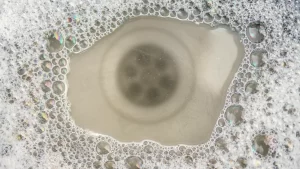
Drain cleaning focuses on individual drains inside the home. This includes sinks, bathtubs, showers, and laundry drains.
Common Causes of Drain Clogs:
- Hair and soap scum in bathroom sinks and showers
- Food particles and grease in kitchen sinks
- Detergent buildup in laundry drains
- Foreign objects accidentally flushed or washed down
Methods of Drain Cleaning:
- Snaking (Augering): A cable tool used to break up localized clogs.
- Enzyme Cleaners: Sometimes used for minor buildup, though not a long-term fix.
- Small Hydrojet Units: Some plumbers use smaller-scale jetting equipment to clear tough clogs in sink lines.
Drain cleaning is generally quicker, less costly, and focused on fixing a single problem fixture.
What is Sewer Line Cleaning?
Sewer line cleaning is a much larger job that deals with your property’s main sewer line—the pipe that connects your home or business to the city sewer system.
Common Causes of Sewer Line Blockages:
- Tree root intrusion through pipe joints
- Grease and sludge buildup over time
- Scale deposits from hard water
- Collapsed or aging pipes
- Flushed items like wipes, sanitary products, or paper towels
Methods of Sewer Line Cleaning:
- Hydrojetting: High-pressure water scours the full diameter of the pipe, removing grease, roots, and scale.
- Mechanical Root Cutters: Specialized tools for cutting through invasive tree roots.
- Video Inspections: Before cleaning, plumbers often run a camera through the line to identify the clog location and condition of the pipe.
Because the sewer line is larger and critical to the entire home, sewer line cleaning is a more specialized, labor-intensive service than standard drain cleaning.
Key Differences Between Drain and Sewer Line Cleaning
- Scope of Work
- Drain Cleaning: Targets one fixture or drain.
- Sewer Cleaning: Targets the main line affecting your entire plumbing system.
- Clog Severity
- Drain Cleaning: Handles localized buildup like hair or food.
- Sewer Cleaning: Addresses deeper issues like roots, collapsed pipes, or massive grease deposits.
- Equipment Used
- Drain Cleaning: Augers, handheld snakes, or small hydrojetters.
- Sewer Cleaning: High-powered hydrojetting, root-cutting blades, and video inspections.
- Impact on Property
- Drain Cleaning: Usually quick with minimal disruption.
- Sewer Cleaning: May require outdoor access, cleanouts, or in severe cases, trenchless repair.
Signs You Need Drain Cleaning vs. Sewer Line Cleaning
Drain Cleaning May Be Enough If:
- One sink or shower drains slowly
- You hear gurgling in a single fixture
- A localized backup occurs (like a kitchen sink)
Sewer Line Cleaning Is Likely Needed If:
- Multiple drains in the house are slow at the same time
- Backups occur in toilets, tubs, and sinks simultaneously
- You smell sewage odors indoors or in your yard
- You see standing water or lush green patches in your lawn (possible sewer leak)
Why Homeowners Get Confused
Many people call a plumber for “drain cleaning” when the real problem lies in the sewer line. If your plumber only snakes a sink when the main line is clogged, the fix will be temporary. That’s why professional diagnosis is crucial.
Plumbers often start with a camera inspection to determine whether you need drain cleaning or sewer line cleaning. Getting the right service the first time prevents repeat clogs and costly damage.
Preventative Maintenance
- Drain Cleaning Maintenance: Use drain strainers, avoid pouring grease down sinks, and schedule occasional professional cleaning.
- Sewer Line Maintenance: Schedule hydrojetting every 18–24 months, especially if you have older pipes, frequent clogs, or large trees near your sewer line.
Final Thoughts
The difference between drain cleaning and sewer line cleaning comes down to scope: one is for smaller, localized clogs, and the other for your main sewer line. Understanding this distinction helps you communicate more effectively with your plumber, avoid repeat service calls, and keep your plumbing system healthy.
At YL Hydrojet Plumbing, we provide both drain cleaning and full sewer line cleaning services across Orange County, including Anaheim and Yorba Linda. Whether you’re facing a single clogged sink or a full sewer backup, our team has the tools and expertise to restore flow quickly and safely.