
Hydrojetting has become one of the most effective methods of cleaning clogged and dirty sewer lines. By using highly pressurized water, hydrojetting scours the interior walls of pipes, breaking up grease, sludge, tree roots, and debris that other methods often leave behind. But if you have an older plumbing system, you may wonder: can hydrojetting damage old pipes?
The short answer is that hydrojetting is generally safe for most pipes, but the condition and age of your plumbing system must be carefully evaluated first. Let’s explore how hydrojetting works, when it’s safe, the risks involved with older pipes, and how professional plumbers ensure the process protects your home’s plumbing.
How Hydrojetting Works
Hydrojetting uses a high-pressure hose with a specialized nozzle, capable of delivering water at pressures ranging from 3,000 to 8,000 PSI. This forceful stream of water doesn’t just punch a hole through blockages—it clears the pipe walls completely. Unlike snaking, which may only provide a temporary fix, hydrojetting leaves pipes nearly as clean as the day they were installed.
This makes hydrojetting a preferred choice for commercial kitchens, older homes with frequent backups, and properties with tree root intrusion. However, the power of the system raises a valid concern for homeowners with aging or weakened pipes.
The Risk with Old Pipes
Not all plumbing systems are created equal. The risk of hydrojetting damage depends on several factors:
- Pipe Material
- Clay and Cast Iron Pipes: Common in homes built before the 1970s, these materials deteriorate over time. Clay pipes are prone to cracking, while cast iron corrodes and becomes brittle. Hydrojetting could worsen these weaknesses if not performed correctly.
- PVC Pipes: Found in newer homes, PVC is durable and generally safe for hydrojetting.
- Pipe AgeThe older the pipes, the greater the chance of wear, corrosion, or hairline cracks that could worsen under high pressure.
- Existing DamageIf a sewer line is already compromised—collapsed sections, severe corrosion, or large root intrusions—hydrojetting may cause further structural failure.
Why Hydrojetting is Still Considered Safe
When performed by trained professionals, hydrojetting is one of the safest and most effective ways to clean pipes—even in older systems. Here’s why:
- Pre-Inspection with CamerasBefore hydrojetting, plumbers often use video camera inspections to assess the condition of pipes. This ensures they know whether the line is strong enough to handle water pressure.
- Adjustable Pressure LevelsModern hydrojetting equipment allows plumbers to adjust PSI. For older or fragile pipes, the pressure can be lowered to prevent damage while still clearing debris.
- Targeted NozzlesDifferent nozzles can be used depending on the type of clog. For example, root-cutting nozzles can clear small roots without excessive pressure.
- Professional TrainingHydrojetting is not a DIY method. Licensed plumbers are trained to recognize which systems are suitable and how to adjust equipment properly.
Signs Your Old Pipes May Not Be Suitable
If your plumbing system is several decades old, you may want to proceed cautiously. Signs that hydrojetting may not be appropriate include:
- Frequent leaks or pipe bursts in the past
- Noticeable corrosion or rust flakes in water
- Sewer odors or wet spots in your yard indicating collapsed sections
- Historical use of clay or Orangeburg pipes (common before the 1970s)
In these cases, a professional plumber might recommend repair or replacement rather than hydrojetting.
Alternatives to Hydrojetting for Fragile Pipes
If hydrojetting isn’t safe for your old pipes, other methods may be better:
- Snaking (Augering): While less thorough, snaking can clear simple clogs without stressing weak pipes.
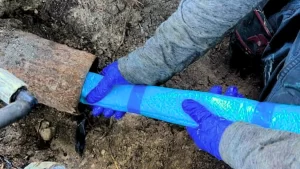
- Pipe Relining: If pipes are too fragile, trenchless repair methods can reinforce them before hydrojetting is attempted.
- Preventative Maintenance: Regular low-pressure flushes and inspections can keep fragile systems working without risking damage.
Benefits of Hydrojetting When Done Safely
When a plumber confirms your pipes can handle it, hydrojetting offers unmatched benefits:
- Complete Cleaning: Removes grease, roots, and scale buildup entirely.
- Prevention of Future Clogs: Leaves pipes smooth and debris-free, reducing repeat blockages.
- Eco-Friendly: Uses only water, no harsh chemicals.
- Cost-Effective Long Term: By preventing backups, it saves on costly emergency calls.
Final Thoughts
So, can hydrojetting damage old pipes? The answer is yes, if those pipes are already compromised—but with proper inspection and professional technique, hydrojetting is safe and highly effective even for older plumbing systems.
The key is hiring a licensed plumber who can inspect your pipes with cameras, determine their condition, and adjust pressure settings accordingly. For many homeowners, hydrojetting provides the deep cleaning necessary to extend the life of even aging sewer lines.
At YL Hydrojet Plumbing, we provide expert hydrojetting services across Orange County, including Yorba Linda and Anaheim. With state-of-the-art equipment and 24/7 availability, our team ensures your plumbing system gets the care it needs without unnecessary risks.